

Maritime Day and Industry Observances: Why Awareness Builds Respect
Maritime Day, seafarer campaigns and industry observances help candidates understand the value of shipping, seafarers and national trade.
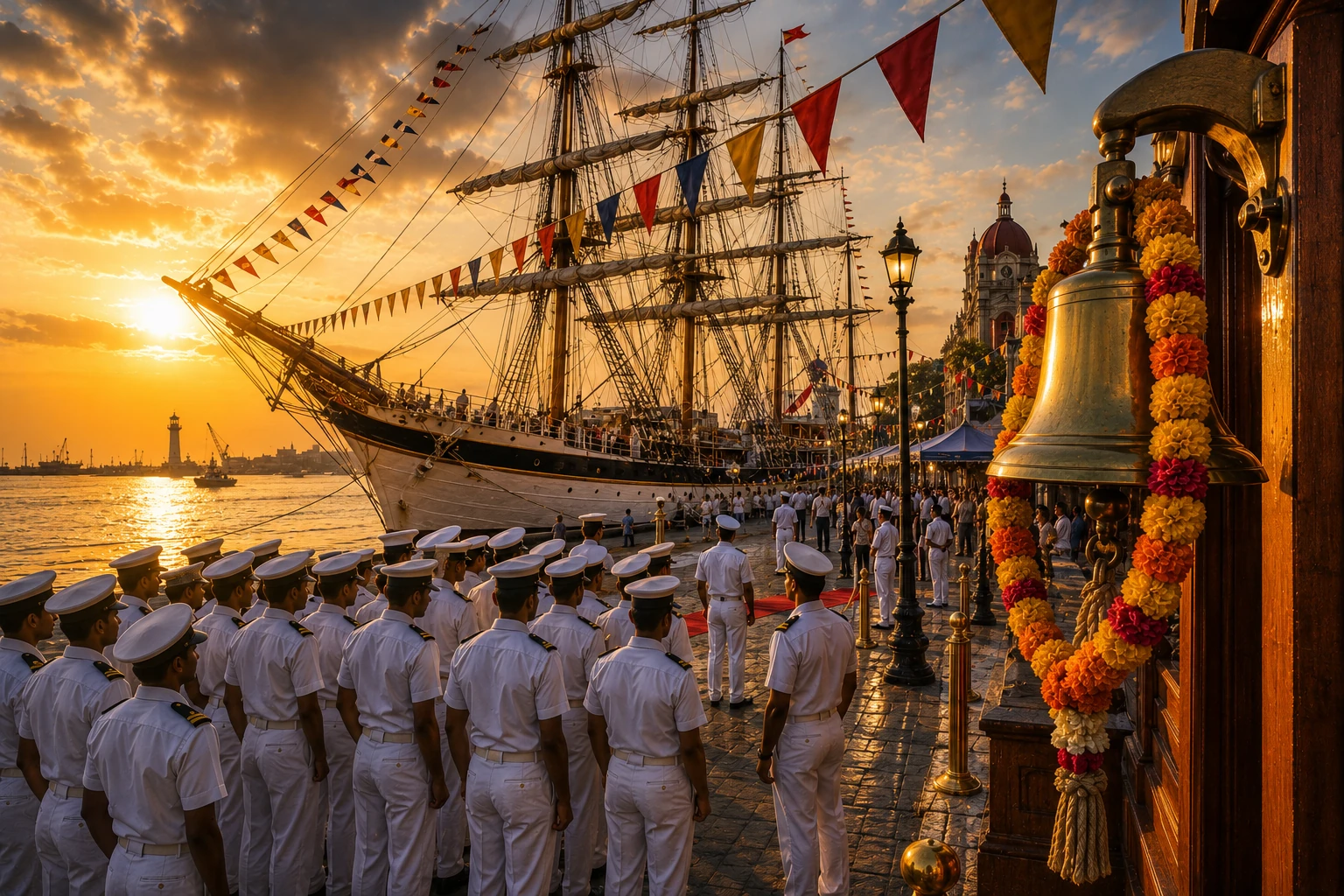
Maritime Day and seafarer-focused observances are not only ceremonial events. They remind the country that shipping keeps trade moving and seafarers keep ships alive.
These observances help candidates understand:
- Importance of seafarers
- Role of shipping in trade
- National maritime growth
- Safety culture
- Environmental responsibility
- Welfare issues
- Professional pride
- Maritime discipline
Aspirants who understand the value of the maritime sector enter training with more seriousness.
HBIMS-NAF&SA uses Maritime Insights to connect candidates with the larger maritime world, not only admission forms.
Why observances exist at all
Shipping moves roughly four-fifths of world trade and does it almost entirely out of public view. Industry observances exist to correct that invisibility for a few days each year, and they matter to an aspirant for a reason that has nothing to do with ceremony: they are the clearest annual signal of what the industry has decided to prioritise.
When a theme centres on safety, expect training emphasis and inspection focus to follow. When it centres on technology or emissions, expect certification syllabi and shipboard procedures to shift over the following cycles. Reading the theme is a way of reading the direction of travel.
The observances worth knowing
World Maritime Day is the anchor of the calendar, marked internationally with an annual theme that frames the industry's focus for that year. Day of the Seafarer turns the attention specifically to the people on board rather than the trade they carry. National Maritime Day marks India's own shipping history and is observed alongside domestic industry recognition.
Wellness and dignity observances have grown in prominence as crew mental health moved from a private matter to an operational one. That shift is real and recent, and it is worth understanding as evidence that the industry's view of a seafarer has widened beyond competence alone.
How an aspirant should use them
Follow the announcements rather than the celebrations. Official statements published around these days usually restate current priorities in plain language, which makes them a more readable summary of industry direction than most technical circulars.
If your institute or a maritime body runs an event, attend. The value is not the speeches. It is that you will be in a room with serving officers, and a fifteen-minute conversation with someone who has done the job answers questions no brochure will.
Note what the theme is in the year you apply. Interview panels and counsellors sometimes ask, and an aspirant who can say what the industry is currently focused on demonstrates something more useful than memorised syllabus.
Respect is earned by the work, not the day
There is a version of maritime observance that is entirely ceremonial, and it is worth being honest that it exists. Photographs, speeches and social posts do not by themselves improve a single seafarer's conditions.
What gives these days weight is what they are attached to. Where an observance is used to publish welfare findings, announce a policy direction or prompt an inspection focus, it does real work. Where it is used only for imagery, it does not.
For an aspirant that distinction is a useful filter. Judge an institution, an employer or an organisation by what it does in the other three hundred and sixty-four days, and treat the observance as an occasion to check rather than a reason to be impressed.
Reference basis IMO observes World Maritime Day annually, and national maritime observances highlight the contribution of shipping and seafarers.