
 Mission 2030
Mission 2030: Maritime Growth Needs Prepared Aspirants
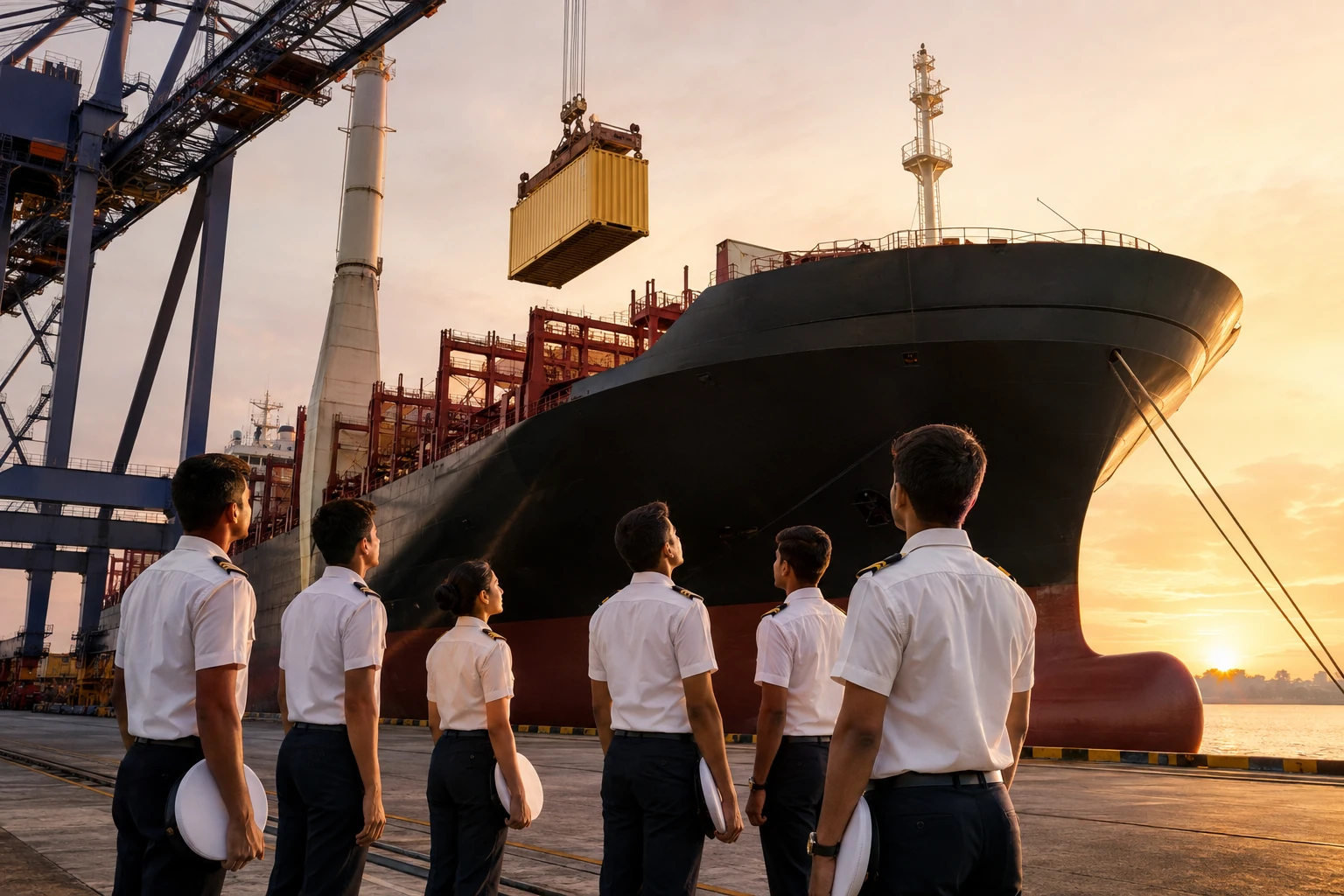
India maritime sector is growing, and the future will need more disciplined, trained and medically ready maritime candidates.
Mission 2030 is not only about ports, cargo and infrastructure. It is also about people.
India needs aspirants who are
- Eligibility-screened
- Medically aware
- Course-ready
- Document-ready
- Parent-informed
- MTI-ready
- Discipline-oriented
- Fraud-protected
- Career-aware
HBIMS-NAF&SA supports this human-readiness pipeline by guiding candidates through a documented admission-support framework.
Maritime growth can create meaningful opportunities only when aspirants are prepared to enter the system responsibly. A larger maritime economy requires candidates who understand that a sea career begins with eligibility, health, documentation, discipline and realistic career awareness. Infrastructure may expand quickly, but the quality of the future maritime workforce depends on how well young aspirants are prepared before they reach an MTI or training environment.
Prepared aspirants are more likely to understand the demands of residential maritime training, medical standards, documentation discipline, safety culture and life away from home. Parent awareness is equally important because many entry-level candidates make their first major career decision with family involvement. Clear information at the beginning helps the candidate and family evaluate the pathway with fewer assumptions.
HBIMS-NAF&SA connects Mission 2030 with this human-readiness requirement by encouraging a structured route from awareness to eligibility screening, counselling, medical-readiness awareness, document preparation and MTI mapping. The objective is to help maritime aspirants approach future opportunities with preparation, clarity and discipline rather than excitement alone.
Maritime Growth Will Need Prepared People, Not Just Bigger Infrastructure
India's maritime ambition is often described through ports, ships, terminals, logistics corridors and new technology. Yet infrastructure alone does not create a stronger maritime ecosystem. Every vessel, training institute, port operation and technical system ultimately depends on people who can understand standards, follow discipline and perform responsibly. For aspirants, this means the opportunity created by maritime growth must be matched by personal preparation from the very beginning.
A candidate who sees the sector only as a route to a job may miss the larger reality. Maritime careers demand routine, accountability, medical suitability, technical learning, communication and the ability to live and work within highly structured environments. These qualities do not appear automatically after admission. They begin to develop when the aspirant learns to approach the career seriously: checking eligibility, understanding the course, preparing documents, discussing expectations with the family and building the habits required for training life.
Mission-oriented growth also raises the standard of readiness. As ships become more digital, ports more connected and safety systems more sophisticated, new entrants will be expected to learn continuously. An aspirant who develops basic technical curiosity, English communication, numerical confidence, digital comfort and disciplined study habits is better positioned to adapt. The objective should not be to predict every future technology, but to become the kind of learner who can absorb change without losing professional fundamentals.
Families have a role in this preparation too. Maritime training can involve residential discipline, unfamiliar routines, periods away from home and a career path that develops in stages. Clear family understanding reduces unnecessary anxiety and helps the candidate make decisions with realistic expectations. A prepared aspirant is therefore not simply someone who meets an academic threshold; it is someone whose education, documents, health awareness, mindset and family understanding are moving in the same direction.
HBIMS-NAF&SA's relevance within this larger picture is the organisation of the admission journey before formal training begins. A structured pathway can help candidates identify gaps early rather than discovering them at the last moment. That preparation supports better decisions and a cleaner transition toward an approved MTI pathway, subject to the institute's own admission decision and applicable requirements.
The real promise of maritime growth is not that every aspirant will automatically succeed. It is that serious candidates will have more reasons to prepare well, learn continuously and enter the sector with purpose. National maritime progress becomes sustainable when individual readiness grows alongside physical infrastructure.