
Green Shipping and Decarbonisation: Why Future Seafarers Must Understand Emissions
Global shipping is moving toward lower emissions, cleaner fuels and operational efficiency. Future seafarers must understand green shipping basics.
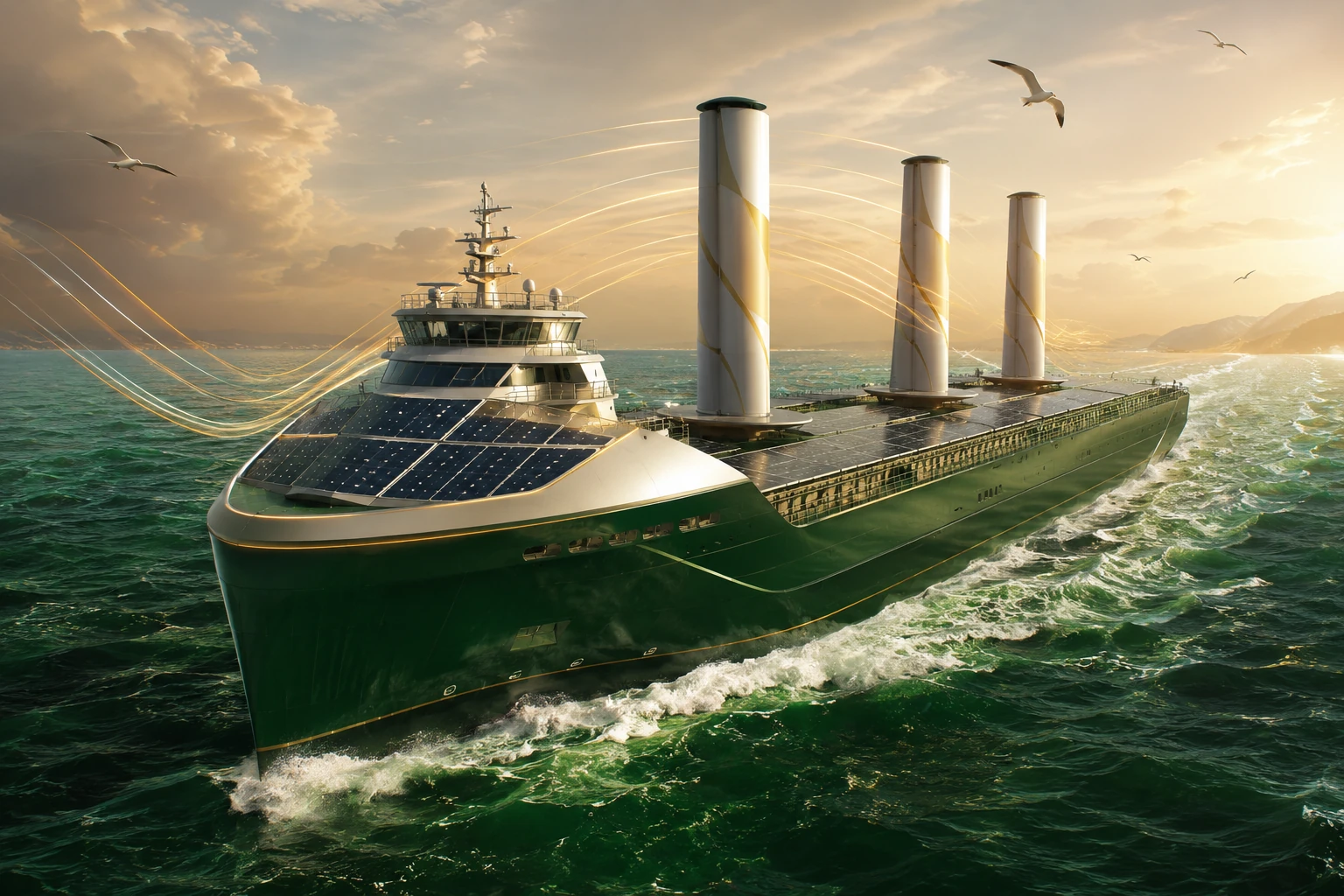
The future of shipping will be cleaner, more regulated and more data-driven.
Future seafarers should understand basic ideas such as:
- Fuel efficiency
- Emission reduction
- Carbon intensity
- Cleaner marine fuels
- Voyage optimisation
- Hull performance
- Energy-saving operations
- Environmental compliance
- Shipboard monitoring systems
This does not mean every seafarer becomes an environmental scientist. It means every seafarer must become more aware of how ship operations affect compliance, cost and climate responsibility.
The next generation of Merchant Navy professionals will work on ships where green shipping is not optional. It will be part of daily operations.
Why this reaches the deck and the engine room
Emission targets are set at policy level but they are met, or missed, by daily operational decisions. Speed, routing, hull condition, machinery efficiency and cargo handling all affect fuel burned, and fuel burned is what emissions measure. That places a substantial part of compliance in the hands of the people running the ship.
This is the practical reason environmental awareness has entered mainstream seafarer training. Not because officers are expected to become scientists, but because the officer on watch makes choices that show up in the vessel's efficiency record.
What alternative fuels change for the crew
The industry is moving toward fuels that behave differently from the heavy fuel oil most vessels have used. Some are carried at very low temperatures. Some are toxic. Some have different flammability characteristics and require different handling, different ventilation and different emergency procedures.
For a seafarer this is not primarily an environmental subject. It is a safety subject. Working with an unfamiliar fuel demands specific training, and that training is becoming a career differentiator rather than an optional extra.
Where the jobs are heading
Vessels operating on alternative fuels need crew certified to handle them, and that pool is currently small relative to the fleet being built. An engineer or officer who obtains those endorsements early is positioned in a segment with more demand than supply.
Efficiency monitoring and environmental compliance are also becoming recognised specialisations both at sea and ashore. The reporting obligations that generate this work did not exist a decade ago and are unlikely to shrink.
How to prepare while still training
Take the machinery and operational efficiency components of your course seriously. Understand what actually drives fuel consumption on a vessel — it is less mysterious than it sounds and directly transferable.
When alternative-fuel endorsements become available to you, take them early rather than when your employer requires them. In a transition, the people who moved first tend to be the ones given the newer ships.
Reference basis Global maritime regulation and research increasingly focus on greenhouse gas reduction, fuel efficiency, carbon intensity and operational optimisation.