

Seafarer Security Advisory: High-Risk Waters and Professional Discipline
Recent DG Shipping advisories remind seafarers that security awareness is part of professional maritime life, especially in high-risk waters.
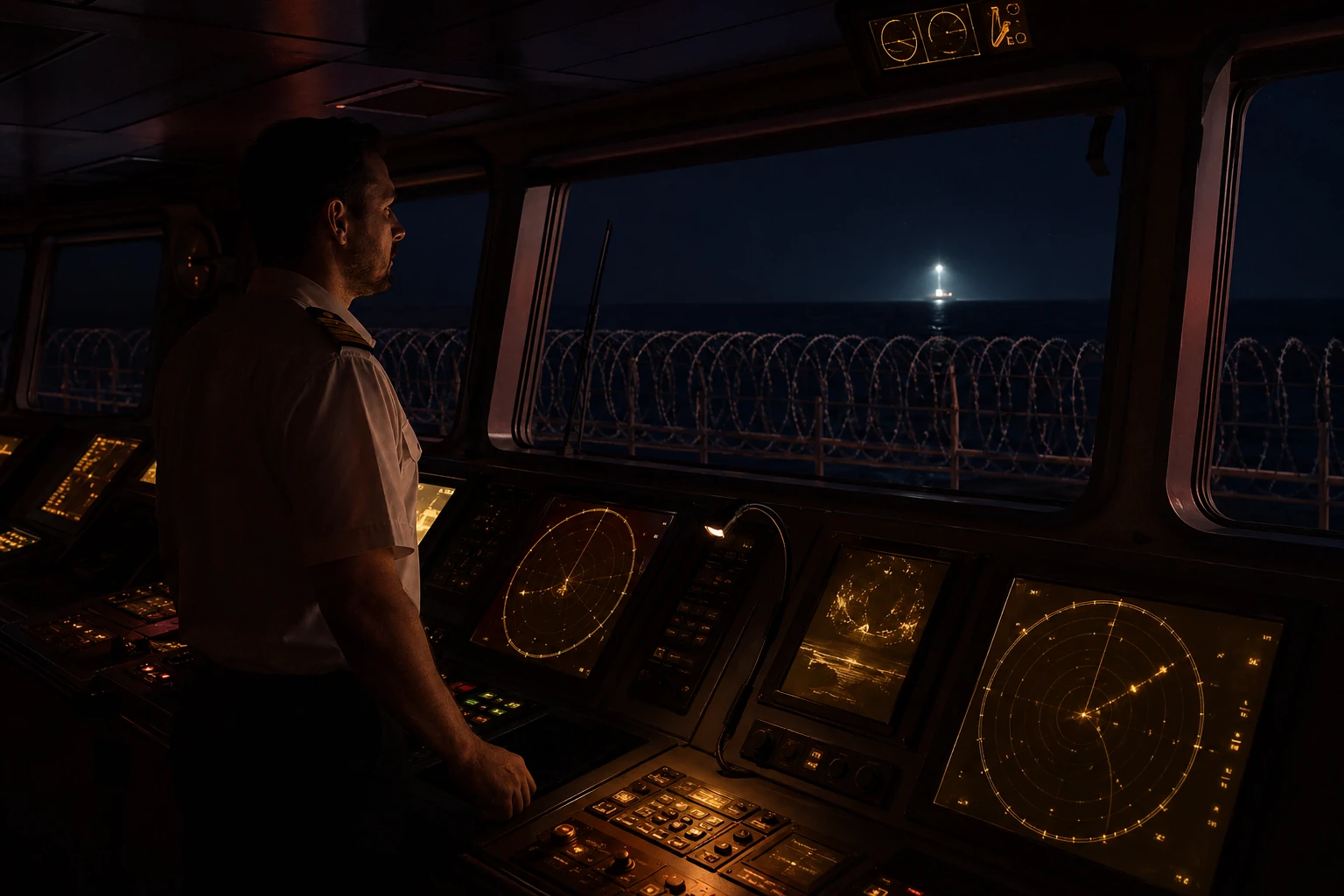
The sea is a workplace, and some sea routes can become high-risk because of conflict, piracy, geopolitical tension or security threats.
Recent maritime security advisories show why seafarers must understand:
- Voyage risk
- Company instructions
- Master’s orders
- Port security
- Emergency communication
- Crew discipline
- Restricted movement
- Security drills
- High-risk-area procedures
For aspirants, this is a reality check.
Merchant Navy is not tourism. It is a disciplined profession where safety instructions matter.
HBIMS-NAF&SA advises candidates to develop seriousness from the beginning. The discipline learned during training becomes protection onboard.
Why certain waters are designated at all
Some regions carry elevated risk to shipping from armed robbery, piracy or regional conflict. Designations exist so that vessels transiting them apply heightened precautions, and so that crew, insurers and operators share a common understanding of where those precautions apply.
Designations change. Regions that were high risk a decade ago may no longer be, and areas that were routine can become sensitive quickly. This is one of the areas where relying on outdated information is genuinely dangerous, and where current official sources matter more than general knowledge.
What ships actually do differently
Vessels transiting sensitive areas follow established industry guidance. Practical measures include increased watchkeeping, restricted access points, physical deterrents on approach routes, hardened citadel arrangements, agreed communication protocols with naval authorities, and speed and routing adjustments.
Crew are briefed and drilled before entry. That briefing is not a formality. In an incident the difference between a crew that has rehearsed and one that has only been told is measurable.
What this realistically means for a cadet
Most seafarers complete full careers without a security incident. Transits of sensitive areas are a routine and well-drilled part of operations, not a constant state of emergency, and the industry's protective measures have proven effective when properly applied.
What is required of you is straightforward: take security drills as seriously as fire and abandon-ship drills, follow procedure precisely during transits, and understand that the restrictions imposed during those periods exist for a reason and are not discretionary.
What families should understand
This is a subject where honesty serves better than reassurance. Yes, some regions carry elevated risk. Yes, the industry has developed substantial measures to manage it. Yes, the overwhelming majority of voyages pass without incident.
A family that knows this in advance handles a news headline far better than one hearing it for the first time mid-contract. Include parents in this conversation before joining rather than after, which is the same principle we apply to every other part of the admission process.
Reference basis DG Shipping circular awareness includes maritime security advisories for vessels and Indian seafarers in high-risk regions.