

MLC 2006: Why Seafarer Welfare Is a Core Maritime Issue
The Maritime Labour Convention is often treated as the seafarer welfare backbone of global shipping. Every future seafarer should know its importance.
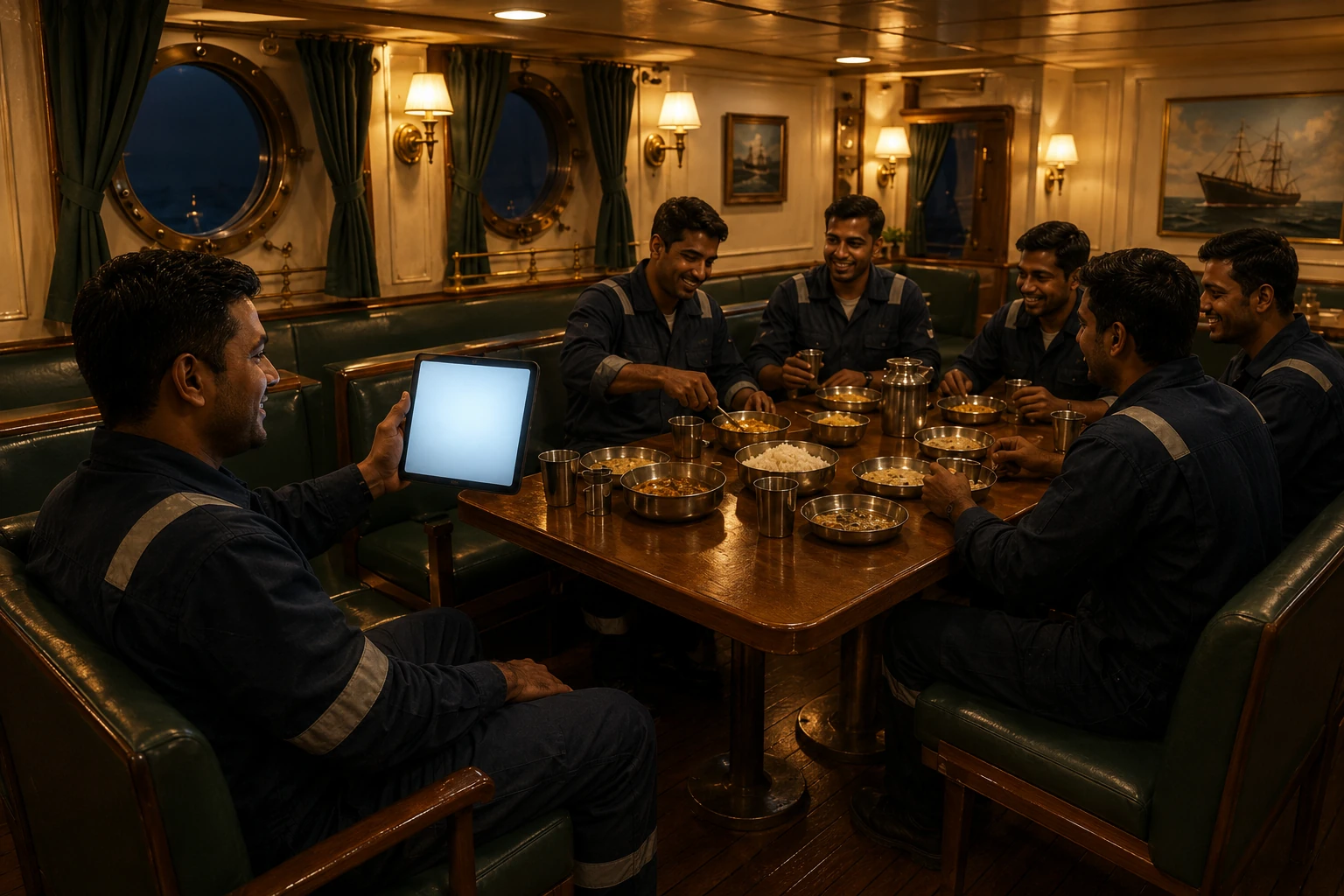
A ship can be technically strong and still fail the human test if seafarers are not protected.
The Maritime Labour Convention, 2006 is one of the most important global instruments for seafarer welfare. It is often described as a major framework for decent work at sea.
For aspirants and parents, MLC awareness matters because life at sea involves:
- Employment agreement
- Wages
- Working hours
- Rest hours
- Medical care
- Accommodation
- Food and catering
- Repatriation
- Abandonment protection
- Onboard welfare
- Communication with family
- Protection during crisis
HBIMS-NAF&SA believes every future seafarer should understand that Merchant Navy is not only about salary and travel. It is also about rights, duties, contracts and welfare systems.
A trained seafarer must know both responsibility and protection.
Why a labour convention exists for this industry
A ship registered in one country, owned in a second, crewed from a third and trading between a fourth and fifth creates an obvious problem: whose employment law applies? For most of shipping's history the answer was unsatisfactory, and seafarers had fewer protections than workers ashore doing comparable work.
A maritime labour convention exists to set a floor that travels with the vessel rather than stopping at a border. It establishes minimum conditions that apply regardless of where the ship happens to be.
What it covers in practice
The substance is ordinary employment protection applied to an unusual workplace: a written employment agreement, wages paid regularly, limits on working hours and minimum rest, adequate accommodation and food, medical care aboard and ashore, repatriation at the employer's cost, and access to a complaint procedure.
Rest hours deserve particular attention because they are the provision most often under pressure. Fatigue is a recognised contributor to maritime incidents, which is why rest is regulated rather than left to operational convenience.
How it is actually enforced
Enforcement runs through inspection. Flag states certify compliance; port states inspect vessels arriving in their ports and can detain a ship that falls short. Detention is commercially serious, which is what gives the standards force in practice rather than only on paper.
Enforcement is not uniform. Some flags and some ports are considerably more rigorous than others. This is one of several reasons the vessel's flag is worth knowing before you sign, rather than a technical detail to look up afterwards.
The rights you should know you hold
You have a right to a written employment agreement, to know your hours, to be repatriated, and to complain without retaliation. These are entitlements, not favours, and knowing them before you need them is the whole point.
It also explains why this organisation insists on written terms at every stage of admission. A candidate who learns early that agreements are written and receipted carries that expectation into their employment, which is exactly where it protects them most.
Reference basis ILO maritime labour publications include MLC guidance, amendments, FAQs and welfare topics such as abandonment, connectivity and women seafarers.